
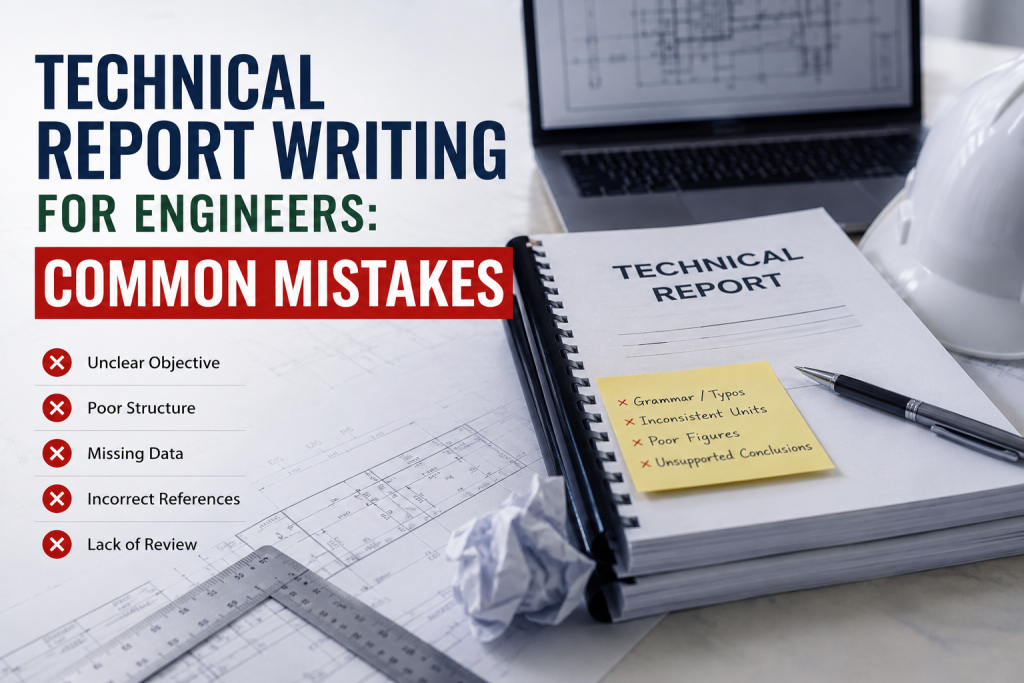
Many professionals focus heavily on calculations and technical analysis but underestimate the importance of documentation quality. In reality, technical report writing for engineers is not just an administrative task.
This is one of those parts of project delivery that doesn’t always get the attention it deserves — yet it’s what makes sure engineering data actually gets communicated the way it should, stored where it needs to be, and put to good use at every stage of the project.
What Is Technical Report Writing for Engineers?
Getting the fundamentals of engineering report writing down isn’t just about producing cleaner documents — it’s about understanding why clarity, accuracy, and structure matter so much in technical report writing for engineers, especially on construction and infrastructure projects where what gets written down is what backs up technical decisions and keeps the project on the right side of regulatory requirements.
Definition
Technical report writing in engineering is really about taking all the technical information, project findings, design data, and analysis results that exist inside a project and putting them into a structured format that doesn’t just make sense to engineers — but to clients, contractors, and regulatory authorities as well.
It’s what makes sure complex engineering information doesn’t get lost in translation — keeping it presented in a way that’s consistent and professional no matter who’s reading it.
Purpose in Projects (Communication, Documentation, Decision-Making)
Technical reports serve several essential functions within engineering environments:
- Communication between project teams: Reports provide a formal method for sharing technical information across departments, ensuring that engineers, contractors, and project managers operate with the same understanding of project requirements.
- Documentation of project activities: Technical documentation in engineering creates a permanent record of decisions, design changes, and test results, which can be referenced during construction or future maintenance.
- Support for decision-making: Engineering reports present data and analysis that allow stakeholders to evaluate options and select the most effective technical solutions.
These functions make structured reporting a core component of professional engineering practice.
Why Technical Reports Are Critical in Engineering Projects
How a project actually turns out often comes down to how good the technical report writing for engineers is — and that’s especially true when you’ve got multiple disciplines all working together on a large-scale infrastructure project where information is constantly moving between teams.
Clear Communication Between Stakeholders
Architecture, engineering, contracting, and client teams are all pulling in different directions on any given project — and technical reports are what gives everyone a common ground to work from. Instead of each party interpreting project information in their own way, a well-written report sets the record straight and keeps everyone reading from the same page.
Documentation for Compliance
Regulatory authorities don’t take anyone’s word for it — they need detailed documentation that actually proves a project holds up against safety, environmental, and design standards. Proper reporting helps organizations demonstrate compliance and avoid legal or financial penalties.
Supports Decision-Making
A lot of the most important engineering decisions hinge on how well data has been analyzed and how clearly performance has been evaluated. When reports are written properly, that information comes through in a logical way that lets stakeholders actually weigh the risks and land on the right solutions.
Without solid documentation backing things up, project teams find themselves in a tough spot — struggling to justify the calls they’ve made or scrambling when something unexpected hits.
Standard Structure of a Technical Report
For technical report writing for engineers, having a clear structure isn’t optional — it’s what lets someone pick up the report and find what they’re looking for without having to dig through pages of content to piece together what actually happened on the project.
Technical Report Structure Table
| Section | Purpose |
| Introduction | Define project scope, objectives, and background information |
| Methodology | Explain the technical approach, procedures, and data collection methods |
| Results | Present measurements, calculations, or observations obtained during the study |
| Discussion | Take a hard look at how things performed, and hold those results up against what was originally expected. |
| Conclusion | Pull together the key takeaways, lay out what’s being recommended, and spell out what needs to happen next |
This kind of structured approach has become a staple in engineering report structure standards precisely because it keeps things consistent and holds communication to a professional level across every project it’s applied to.
10 Common Mistakes in Technical Report Writing
Even experienced professionals can make errors when preparing reports. Recognizing these common mistakes in report writing helps engineers improve documentation quality and maintain professional standards in technical report writing for engineers.
Numbered List of Common Mistakes
- Using overly complex language: Engineers sometimes write long, complicated sentences that make reports difficult to understand. Clear and concise language improves readability and reduces the risk of misinterpretation.
- Lack of clear structure: Reports without logical organization can confuse readers and make important information difficult to locate.
- Insufficient data explanation: Presenting numbers without context prevents readers from understanding the significance of results.
- Ignoring formatting standards: Inconsistent formatting reduces professionalism and may cause readers to overlook critical information.
- Poor grammar and spelling errors: Language mistakes can undermine credibility and create confusion about technical details.
- Overloading reports with unnecessary details: Including excessive technical information can distract readers from the main findings.
- Missing visual elements: Reports without charts or diagrams may fail to communicate complex data effectively.
- Lack of audience consideration: Writing without understanding the reader’s technical background can lead to communication gaps.
- Failure to review and edit: Reports that are not carefully reviewed may contain errors that affect decision-making.
- Incomplete conclusions: Reports that do not clearly summarize findings leave stakeholders uncertain about next steps.
These mistakes often occur when report preparation is rushed or when communication is not prioritized during project execution.
How to Avoid These Technical Writing Mistakes
Improving documentation quality requires consistent writing practices and attention to detail. Applying these strategies strengthens technical report writing for engineers and supports effective project communication.
Prevention Checklist
- Use clear and simple language: Technical information should be written in straightforward terms that can be understood by both technical and non-technical readers.
- Follow a logical structure: Organizing content according to recognized reporting standards ensures that readers can easily follow the flow of information.
- Use visuals (tables, charts, diagrams): Visual elements help explain complex data and improve reader comprehension.
- Review and edit thoroughly: Careful proofreading identifies errors and ensures accuracy before reports are finalized.
- Write for your audience: Tailoring language and detail level to the reader’s knowledge improves communication and reduces misunderstandings.
Consistently applying these technical writing tips for engineers improves report clarity and reliability.
Best Practices for Writing Professional Engineering Reports
Professional reporting requires discipline, consistency, and attention to detail. Following recognized practices helps maintain high standards in professional report writing engineering environments and strengthens the effectiveness of technical report writing for engineers.
Key Best Practices
- Be concise and precise: Reports should communicate essential information without unnecessary repetition or complexity.
- Use consistent terminology: Standardized technical terms ensure clarity and reduce confusion across project teams.
- Support claims with data: Engineering decisions should always be supported by calculations, measurements, or verified evidence.
- Maintain professional tone: Reports should reflect technical expertise and objective analysis rather than personal opinion.
These practices help maintain credibility and ensure that reports serve their intended purpose.
Role of Engineering Consultants in Technical Documentation
When it comes to keeping documentation quality where it needs to be and making sure communication stays reliable from one end of a project to the other, engineering consultants carry a lot of that weight. That expertise really shows its value in managing technical report writing for engineers — particularly on the kind of complex infrastructure and construction projects where one poorly documented decision can create problems that ripple through the entire development.
Accurate Reporting
Consultants prepare detailed reports that reflect technical findings accurately and comply with industry standards.
Clear Communication
Professional documentation helps stakeholders understand project performance, risks, and progress without ambiguity.
Professional Documentation Standards
Engineering consultants bring standardized reporting procedures to the table that tighten up consistency, cut down on errors, and keep the project on the right side of regulatory requirements.
That kind of discipline around how information gets documented is what makes sure technical data stays trustworthy and dependable from the first phase of a project all the way through to the last.
FAQs
How can I improve my technical writing skills?
Getting better at technical writing doesn’t happen overnight — it takes consistent practice, honest feedback from people who’ve been doing it for a while, and a commitment to following structured report formats rather than winging it. Going back through well-prepared engineering report examples and reviewing documentation from past projects is also one of the more underrated ways to spot where your own writing could be sharper.
Conclusion
Strong technical report writing for engineers isn’t a nice-to-have — it’s one of the things that separates projects that run smoothly from those that constantly hit walls. Clear documentation keeps communication from breaking down, takes risk off the table, and makes sure the decisions driving a project are grounded in accurate information rather than assumptions. When reports are put together with real care, they stop being just paperwork and start being the kind of tool that actually guides how a project gets planned, built, and maintained long after construction wraps up.