
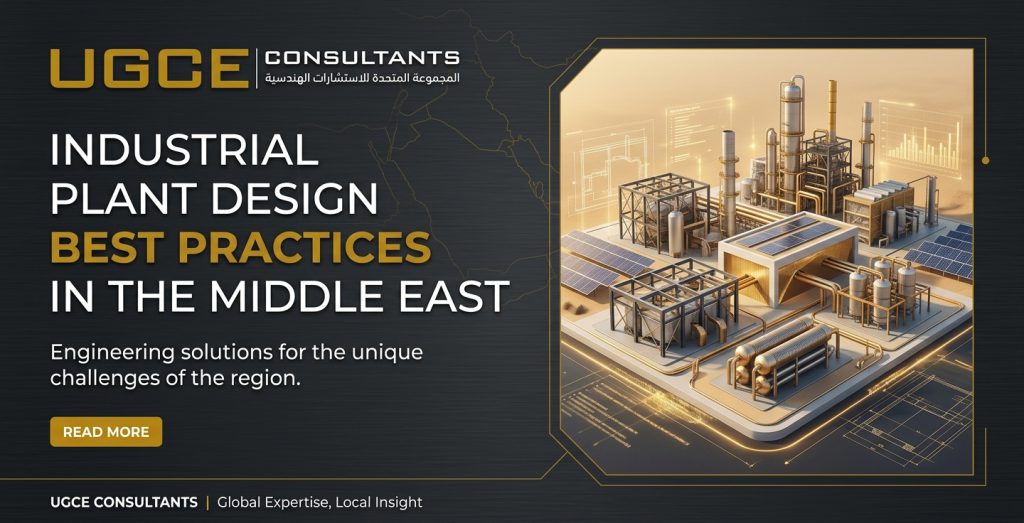
At the center of every successful industrial project is industrial plant design. A well-designed plant goes far beyond just finding space for production equipment — it builds an environment that runs efficiently, keeps people safe, scales without falling apart, and holds costs in check in ways that pay off over the long term.
What Is Industrial Plant Design?
Industrial plant design is a multidisciplinary engineering process that brings together the planning, design, and coordination of every physical, mechanical, electrical, structural, and operational system needed to build an industrial facility that actually runs the way it’s supposed to.
Definition
Industrial plant design covers the full scope of engineering solutions needed across manufacturing plants, processing facilities, warehouses, refineries, food production facilities, pharmaceutical plants, chemical processing facilities, logistics hubs, and just about any other type of industrial development that needs to be built and made to run properly.
Scope
The scope of industrial facility design extends far beyond constructing industrial buildings.
It typically includes:
- Site evaluation
- Feasibility studies
- Plant layout development
- Civil engineering
- Structural engineering
- Process engineering
- Mechanical systems
- Electrical systems
- Utility infrastructure
- Fire protection
- Automation systems
- Environmental compliance
- Construction coordination
Every engineering discipline must work together to ensure operational efficiency while meeting project objectives.
Importance in Industrial Development
Poor planning during the design phase can lead to inefficient workflows, production bottlenecks, excessive operating costs, safety risks, and expensive future modifications.
Conversely, effective industrial plant design supports:
- Higher production efficiency
- Reduced maintenance costs
- Improved operational reliability
- Better worker safety
- Lower energy consumption
- Simplified future expansion
As industrial sectors continue evolving across the Middle East, strategic engineering design has become a competitive advantage rather than simply a construction requirement.
Difference Between Plant Engineering and Building Design
Although both involve engineering disciplines, plant engineering differs substantially from conventional building design.
Traditional building projects primarily focus on architectural space, occupant comfort, and structural performance.
Plant engineering, however, centers on industrial operations.
Engineers must coordinate:
- Production equipment
- Material handling systems
- Industrial utilities
- Process flow
- Safety systems
- Heavy machinery
- Maintenance access
- Operational logistics
As a result, plant engineering requires significantly greater coordination between multiple engineering disciplines while prioritizing production efficiency over conventional building layouts.
Why Effective Industrial Plant Design Matters
How well an industrial facility performs is largely decided before a single piece of equipment gets installed or a wall goes up. The calls made during the design stage reach into every corner of what comes after — operational efficiency, worker safety, maintenance costs, energy consumption, and whether the facility actually turns a profit over the long run.
Operational Efficiency
Efficient industrial facilities minimize unnecessary movement of materials, equipment, personnel, and products.
Worker Safety
Safety remains one of the highest priorities in industrial engineering.
Well-designed facilities provide:
- Safe equipment access.
- Clear emergency evacuation routes.
- Adequate ventilation.
- Fire protection systems.
- Hazard separation.
- Safe maintenance access.
- Proper traffic management.
Integrating industrial safety design during early project planning significantly reduces workplace risks while supporting regulatory compliance.
Productivity
Facility layout, equipment positioning, utility availability, maintenance accessibility, and workflow coordination all influence production output.
Effective industrial facility planning ensures every operational process functions efficiently while minimizing downtime.
Cost Optimization
Getting the engineering decisions right during the design phase pays off twice — once when construction comes in leaner, and again every year the facility runs with lower operational expenses.
Regulatory Compliance
Industrial projects don’t operate in a regulatory vacuum — they have to line up with a dense web of engineering codes, environmental regulations, occupational safety requirements, and standards that vary depending on the industry the facility serve.
Long-Term Scalability
Building in expandable utility corridors, reserved equipment space, flexible structural systems, and scalable infrastructure from the start is what gives facilities the room to grow with future production demands without having to tear things apart to do it
Best Practices for Industrial Plant Design
Successful industrial plant design requires more than technical expertise—it demands strategic planning, multidisciplinary coordination, and long-term operational thinking.
Conduct Comprehensive Feasibility Studies
Every successful industrial project begins with a thorough feasibility study.
Engineering teams evaluate:
- Site suitability
- Utility availability
- Environmental conditions
- Infrastructure capacity
- Regulatory requirements
- Project economics
- Construction constraints
- Future expansion opportunities
These early assessments help reduce project risks while supporting informed investment decisions.
Optimize Plant Layout for Efficient Workflow
A well-designed plant layout design minimizes unnecessary movement of materials, personnel, and equipment.
Efficient layouts improve production flow by strategically locating:
- Raw material storage
- Manufacturing areas
- Processing equipment
- Utility systems
- Warehousing
- Loading docks
- Maintenance facilities
- Administrative offices
Optimized layouts improve productivity while reducing operational costs and safety risks.
Prioritize Safety and Regulatory Compliance
Safety should be integrated into every stage of engineering design rather than added after planning is complete.
Industrial facilities should incorporate:
- Fire protection systems
- Emergency exits
- Hazardous area classification
- Equipment clearances
- Safe access routes
- Ventilation systems
- Explosion protection where applicable
Compliance with local regulations and international engineering standards helps protect workers while supporting efficient project approvals.
Design for Future Expansion
Industrial production requirements often evolve over time.
Facilities should be designed with flexibility to accommodate:
- Additional production lines
- Equipment upgrades
- Utility expansion
- Warehouse growth
- Increased workforce capacity
Planning for expansion during the design phase significantly reduces future construction costs and operational disruptions.
Integrate Energy-Efficient Systems
Energy efficiency has become a strategic priority across the Middle East.
Modern industrial facilities increasingly incorporate:
- High-efficiency HVAC systems
- LED lighting
- Variable-speed drives
- Energy monitoring platforms
- Efficient utility distribution
- Building automation systems
These measures contribute to sustainable industrial design while reducing operating expenses throughout the facility’s lifecycle.
Incorporate Smart Automation and Industry
Digital technologies are transforming industrial operations.
Smart manufacturing facilities increasingly integrate:
- Automated production systems
- Real-time monitoring
- Industrial IoT
- Predictive maintenance
- Digital control systems
- Performance analytics
These technologies improve productivity while enabling data-driven operational decisions.
Plan Utilities and Infrastructure Early
Reliable utility systems are essential for uninterrupted industrial operations.
Early planning of industrial utilities design ensures efficient coordination of:
- Electrical distribution
- Water supply
- Process water
- Compressed air
- Steam systems
- Drainage
- Wastewater treatment
- Telecommunications
- Fire protection
Coordinated infrastructure planning reduces conflicts during construction while supporting future operational growth.
Select Durable Construction Materials
Industrial environments are hard on facilities — heavy loads, vibration, chemical exposure, moisture, high temperatures, and the relentless pressure of continuous operation all take their toll over time.
Key Engineering Disciplines in Industrial Plant Design
Successful industrial plant design depends on close collaboration between multiple engineering disciplines. Each specialty contributes technical expertise that ensures the facility operates safely, efficiently, and reliably throughout its lifecycle.
Civil Engineering
Civil engineers prepare site grading, drainage systems, roads, foundations, earthworks, and external infrastructure that support industrial operations while ensuring proper site development.
Structural Engineering
Structural engineers design foundations, steel structures, equipment supports, industrial buildings, pipe racks, platforms, and heavy-load structural systems capable of supporting demanding industrial environments.
Mechanical Engineering
Mechanical engineering covers process piping, HVAC systems, industrial equipment integration, pumping systems, compressed air networks, fire protection systems, and mechanical utility infrastructure.
Electrical Engineering
Electrical engineers handle everything from power distribution systems, substations, transformers, and emergency power setups to lighting, grounding, cable routing, and the broader electrical infrastructure that keeps industrial operations running without interruption.
MEP Design
When MEP design is truly integrated, mechanical, electrical, and plumbing systems stop working around each other and start working together — supporting production requirements, keeping workers safe, and making sure the facility can actually be maintained without everything grinding to a halt.
Process Engineering
Process engineers develop production workflows, equipment sizing, material handling strategies, process optimization, and operational efficiency improvements based on manufacturing requirements.
Instrumentation & Control
Instrumentation engineers design automation systems, process controls, sensors, monitoring equipment, programmable logic controllers (PLCs), and control rooms that improve production reliability and operational efficiency.
Infrastructure Design
Industrial facilities don’t function on production systems alone — they depend on robust industrial infrastructure covering transportation, utilities, communications, drainage, and the capacity to expand when the time comes. Infrastructure engineers make sure all of that gets coordinated with the broader plant layout and what operations actually demand, rather than being bolted on as an afterthought.
Common Challenges in Industrial Projects Across the Middle East
Delivering successful industrial plant design projects in the Middle East requires engineers to address a unique combination of environmental, operational, and regulatory challenges.
Extreme Climate Conditions
The Middle East doesn’t offer forgiving conditions — extreme heat, intense solar radiation, dust storms, and very little annual rainfall make it one of the most environmentally demanding regions in the world to build and operate in.
Water Resource Management
Many industrial operations require substantial quantities of water for manufacturing processes, cooling systems, cleaning operations, and fire protection.
Effective industrial engineering design incorporates water-efficient technologies such as:
- Water recycling systems
- Process water optimization
- Efficient cooling solutions
- Rainwater management where applicable
- Smart water monitoring
- Leak detection systems
These strategies reduce operational costs while supporting regional sustainability goals.
Energy Demand
Industrial facilities consume considerable amounts of electricity for production equipment, process systems, HVAC, lighting, compressed air, and utility infrastructure.
Environmental Regulations
Environmental legislation continues evolving across GCC countries as governments prioritize sustainable industrial development.
Industrial facilities must increasingly address:
- Emissions control
- Waste management
- Water conservation
- Noise reduction
- Environmental impact assessments
- Resource efficiency
Early coordination with regulatory authorities simplifies approvals while reducing the likelihood of costly project delays.
Supply Chain Constraints
Large industrial developments often rely on specialized equipment, imported materials, and international suppliers.
Supply chain disruptions can significantly affect project schedules, procurement strategies, and construction sequencing.
Workforce Considerations
Industrial facilities require safe, efficient, and productive working environments.
Design considerations include:
- Worker circulation
- Maintenance accessibility
- Ergonomic equipment layouts
- Training facilities
- Welfare areas
- Safety systems
- Emergency evacuation routes
Well-designed facilities improve operational efficiency while supporting workforce wellbeing and regulatory compliance.
Fast-Track Project Schedules
Many industrial developments across the Middle East operate under aggressive delivery timelines driven by economic diversification initiatives and market demand.
Sustainable Industrial Plant Design
Sustainability has worked its way into the core of how modern industrial plants get designed — it’s no longer something that gets considered after the fact. Manufacturers are putting real investment into facilities that use less energy, leave a smaller environmental footprint, get more out of every resource, and are built to stay operationally resilient long into the future.
Energy-Efficient Systems
Industrial facilities consume substantial amounts of energy throughout daily operations.
Modern engineering solutions reduce consumption through:
- High-efficiency HVAC systems
- Variable-speed drives
- LED lighting
- Intelligent process controls
- Efficient motors
- Building automation
- Energy monitoring platforms
These improvements reduce operating expenses while supporting sustainable industrial operations.
Renewable Energy Integration
Renewable energy technologies are becoming increasingly practical across the Middle East due to abundant solar resources.
Industrial facilities can integrate:
- Solar photovoltaic systems
- Solar water heating
- Battery storage
- Renewable-powered utility systems
Renewable energy reduces dependence on conventional electricity while improving long-term energy resilience.
Water Conservation
Efficient water management remains critical for industrial developments.
Sustainable facilities often include:
- Water recycling
- Greywater reuse
- Smart irrigation
- Efficient process water systems
- Leak monitoring
- Water-efficient equipment
These measures reduce resource consumption while supporting environmental sustainability.
Waste Management
Industrial waste management begins during the design phase.
Engineers develop systems that facilitate:
- Waste segregation
- Material recycling
- Hazardous waste handling
- Process waste reduction
- Safe disposal procedures
Well-planned waste management improves environmental performance while supporting regulatory compliance.
Green Building Certifications
Certification frameworks encourage improved energy performance, water efficiency, indoor environmental quality, and responsible material selection.
Carbon Reduction Strategies
Reducing carbon emissions has become a priority throughout the industrial sector.
Engineering strategies include:
- Energy optimization
- Electrification where practical
- Renewable energy integration
- Efficient manufacturing processes
- Low-carbon construction materials
- Smart monitoring technologies
Together, these measures contribute to more sustainable industrial operations while supporting national climate objectives.
Digital Technologies Transforming Industrial Plant Design
Digital transformation is reshaping the future of industrial plant design by enabling engineers to create smarter, more efficient, and highly connected industrial facilities.
Building Information Modeling (BIM)
Building Information Modeling (BIM) enables multidisciplinary engineering teams to collaborate within a shared digital environment.
BIM improves:
- Design coordination
- Clash detection
- Quantity estimation
- Construction planning
- Facility management
- Lifecycle asset management
This collaborative approach reduces design conflicts while improving project efficiency.
Digital Twins
By combining engineering models with operational data, digital twins allow operators to monitor performance, evaluate maintenance strategies, simulate operational changes, and optimize production processes before implementing physical modifications.
Artificial Intelligence
Artificial Intelligence supports industrial engineering by analyzing operational data, identifying performance trends, optimizing equipment usage, and predicting maintenance requirements.
IoT Sensors
In modern industrial facilities, IIoT sensors sit in the background doing the work that never stops — monitoring equipment performance, environmental conditions, utility consumption, vibration, temperature, and production processes every hour of every day.
Real-time data improves operational visibility while supporting proactive maintenance strategies.
Predictive Maintenance
Predictive maintenance uses operational data to identify equipment deterioration before failures occur.
Smart Monitoring Systems
Engineers and facility managers gain real-time visibility into production, utilities, energy consumption, equipment health, and maintenance requirements through intuitive digital dashboards.
Industrial Automation
Automated manufacturing systems, robotic equipment, process controls, and intelligent monitoring platforms enhance productivity, improve product quality, and increase operational reliability.
Industrial Plant Design Standards in the Middle East
Successful industrial plant design requires compliance with a wide range of local regulations and internationally recognized engineering standards.
Local Building Codes
Engineering teams must coordinate designs with local authorities to ensure timely approvals and regulatory compliance.
Environmental Regulations
Integrating environmental compliance during the design phase simplifies project approvals while supporting sustainable operations.
Fire & Life Safety Standards
Industrial facilities require comprehensive fire and life safety strategies that include fire detection, suppression systems, emergency evacuation planning, hazardous area protection, and emergency response coordination.
International Engineering Standards
Many industrial developments follow internationally recognized engineering standards depending on project type and client requirements.
Commonly referenced standards include:
- ISO
- ASME
- API
- NFPA
Applying recognized standards promotes quality, consistency, operational safety, and international best practices throughout project delivery.
Sustainability Frameworks Across GCC Countries
Industrial facilities increasingly align with national sustainability frameworks, green building programs, and environmental policies that encourage energy efficiency, resource conservation, and responsible industrial development.
How UGCE Delivers Industrial Engineering Solutions
At UGCE, we understand that successful industrial projects require more than technical expertise—they demand strategic planning, multidisciplinary collaboration, and engineering solutions tailored to each client’s operational objectives.
Our integrated approach to industrial plant design gives manufacturers, developers, and industrial investors a clear path to facilities that run efficiently, scale without friction, and are genuinely ready for whatever growth comes next.
Engineering Design
Our engineering teams develop coordinated civil, structural, mechanical, electrical, MEP, and process engineering solutions that support safe, efficient, and reliable industrial operations.
Infrastructure Design
UGCE designs integrated industrial infrastructure, including utility networks, roads, drainage systems, electrical distribution, water supply, wastewater systems, and site development that support long-term operational performance.
Project Management
Our experienced project managers coordinate engineering disciplines, procurement activities, construction schedules, quality assurance, and stakeholder communication to ensure projects are delivered efficiently and successfully.
Technical Support
We continue supporting clients throughout construction by reviewing technical submissions, responding to engineering queries, coordinating design modifications, and helping resolve site challenges while maintaining quality and compliance.
Feasibility Studies
UGCE evaluates technical requirements, infrastructure availability, regulatory considerations, environmental constraints, financial viability, and project risks to support informed investment decisions.
Technical Reports
Our engineering specialists prepare detailed technical reports, engineering studies, design documentation, compliance assessments, and project specifications that support approvals and successful project execution.
Industrial Facility Planning
We develop efficient industrial facility layouts that optimize production flow, equipment positioning, maintenance access, utility coordination, logistics, and future expansion opportunities while maximizing operational efficiency.
Build an Industrial Facility Ready for the Future
Whether the project is a manufacturing plant, processing facility, logistics hub, warehouse, or full industrial complex, UGCE brings integrated engineering solutions to the table.
Get in touch with UGCE and talk through what your next industrial project needs — our multidisciplinary engineering expertise is what turns the goal of a safer, smarter, and future-ready facility into something that actually gets built.
Conclusion
Modern industrial plant design isn’t just about putting up buildings — it’s about engineering environments that are highly efficient, safe, resilient, and built to scale with whatever the operation demands over the long term.
Through integrated design, strategic planning, and a genuine commitment to technical excellence, UGCE helps clients bring industrial projects to life that hold up under today’s operational pressures and leave room to take advantage of what tomorrow brings.
Frequently Asked Questions
What is industrial plant design?
Industrial plant design is the multidisciplinary engineering process of planning and designing manufacturing facilities, process plants, warehouses, utilities, and supporting infrastructure to ensure safe, efficient, and sustainable operations.
Why is plant layout important in industrial facilities?
An optimized plant layout improves material flow, reduces production bottlenecks, enhances worker safety, minimizes transportation distances, and supports efficient maintenance and future expansion.
What engineering disciplines are involved in industrial plant design?
Industrial plant design typically involves civil, structural, mechanical, electrical, MEP, process, instrumentation and control, and infrastructure engineering working together to deliver an integrated facility.
How does sustainable industrial design benefit manufacturers?
Sustainable industrial design earns its place by pulling in multiple directions at once — bringing energy and water consumption down, cutting operating costs, shrinking environmental impact, keeping regulatory compliance manageable, and building the kind of operational resilience that holds up over the long term.